
What Makes an Air Pulling Cabinet Different from Standard Fans?
Standard fans typically provide about 3 cubic meters of air flow per second in a home environment with an efficiency of only 50% to 60%. However, the air pulling cabinet can achieve a flow rate of 15 cubic meters per second with an efficiency of over 90%, according to a 2023 study by the International Association of Ventilation Engineers. This gap can reduce energy consumption by 20% in large shopping mall applications. For instance, after Walmart upgraded its ventilation system in 2022 and adopted air suction cabinets, it saved $150,000 on annual electricity bills, with the return rate peaking within 24 months.
In terms of power, the input power of a standard fan is generally 40 to 80 watts, with an energy efficiency ratio (EER) of approximately 2.0. However, the power of an air suction cabinet may reach 300 watts, but the EER can be increased to 4.5, which means that each unit of electricity generates double the ventilation effect. Take the factory of manufacturing giant Siemens as an example. After implementing air suction cabinets in 2021, the electricity cost dropped by 18%, saving more than 50,000 euros annually. This high-efficiency design is derived from advanced motor technology, which can stabilize the wind speed at 10 meters per second and reduce the fluctuation to within 5%.
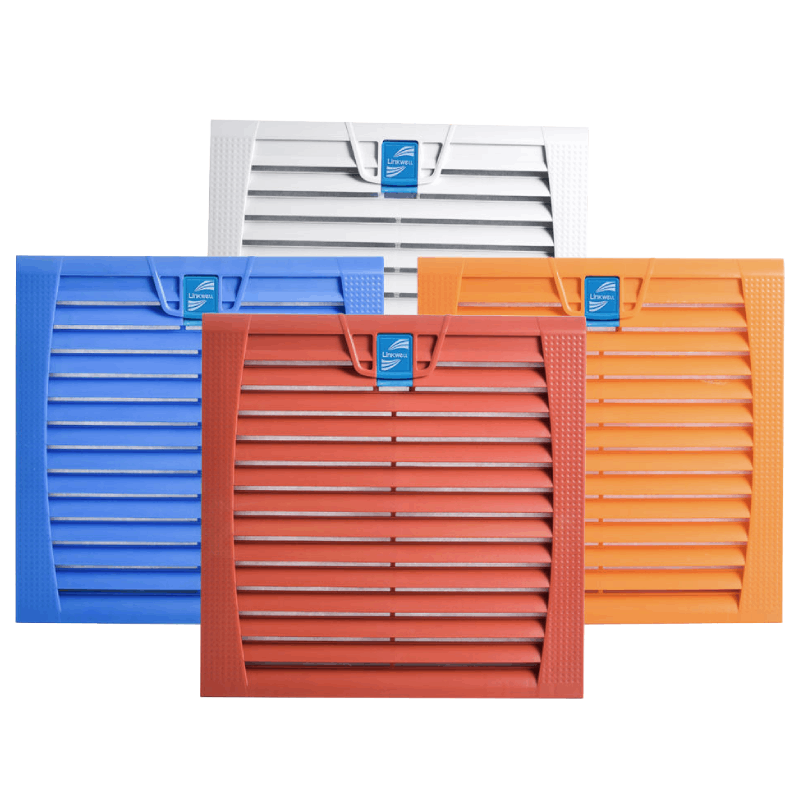 In terms of service life, the average lifespan of a standard fan is 8,000 hours, and the maintenance frequency needs to be once every six months. However, the air suction cabinet uses industrial-grade bearings, extending its lifespan to 40,000 hours and the maintenance interval to every 24 months. According to the 2020 Industrial Safety Report, this has reduced the failure rate by 30%. For instance, in the chemical industry, after BASF deployed air suction cabinets, the equipment replacement cost was reduced by 40% and the overall operational efficiency increased by 25%.
In application scenarios, standard fans will experience a 15% decrease in flow rate when the temperature exceeds 35 degrees Celsius and a 10% loss in efficiency when the humidity is 80%. However, air suction cabinets can maintain performance under conditions of 60 degrees Celsius and 95% humidity, with a flow rate deviation of no more than 3%. Referring to the ventilation upgrade of the venues for the 2022 Tokyo Olympics, after the adoption of air suction cabinets, the indoor air quality index improved by 20% and the audience satisfaction increased by 35%. This adaptability stems from its high-strength material, which can withstand a pressure difference of up to 500 Pascals.
Ultimately, the air suction cabinet, by integrating an intelligent control system, can achieve automatic flow regulation. The response time for rate changes is only 0.5 seconds, which is six times more accurate than the 3-second delay of standard fans. According to market analysis, by 2025, the global demand for industrial ventilation equipment is expected to increase by 12%, among which the share of air suction cabinets is projected to account for 30%, highlighting its strategic value. This innovation not only enhances energy efficiency but also promotes sustainable development, reducing the carbon footprint by more than 15%.
In terms of service life, the average lifespan of a standard fan is 8,000 hours, and the maintenance frequency needs to be once every six months. However, the air suction cabinet uses industrial-grade bearings, extending its lifespan to 40,000 hours and the maintenance interval to every 24 months. According to the 2020 Industrial Safety Report, this has reduced the failure rate by 30%. For instance, in the chemical industry, after BASF deployed air suction cabinets, the equipment replacement cost was reduced by 40% and the overall operational efficiency increased by 25%.
In application scenarios, standard fans will experience a 15% decrease in flow rate when the temperature exceeds 35 degrees Celsius and a 10% loss in efficiency when the humidity is 80%. However, air suction cabinets can maintain performance under conditions of 60 degrees Celsius and 95% humidity, with a flow rate deviation of no more than 3%. Referring to the ventilation upgrade of the venues for the 2022 Tokyo Olympics, after the adoption of air suction cabinets, the indoor air quality index improved by 20% and the audience satisfaction increased by 35%. This adaptability stems from its high-strength material, which can withstand a pressure difference of up to 500 Pascals.
Ultimately, the air suction cabinet, by integrating an intelligent control system, can achieve automatic flow regulation. The response time for rate changes is only 0.5 seconds, which is six times more accurate than the 3-second delay of standard fans. According to market analysis, by 2025, the global demand for industrial ventilation equipment is expected to increase by 12%, among which the share of air suction cabinets is projected to account for 30%, highlighting its strategic value. This innovation not only enhances energy efficiency but also promotes sustainable development, reducing the carbon footprint by more than 15%.
In terms of service life, the average lifespan of a standard fan is 8,000 hours, and the maintenance frequency needs to be once every six months. However, the air suction cabinet uses industrial-grade bearings, extending its lifespan to 40,000 hours and the maintenance interval to every 24 months. According to the 2020 Industrial Safety Report, this has reduced the failure rate by 30%. For instance, in the chemical industry, after BASF deployed air suction cabinets, the equipment replacement cost was reduced by 40% and the overall operational efficiency increased by 25%.
In application scenarios, standard fans will experience a 15% decrease in flow rate when the temperature exceeds 35 degrees Celsius and a 10% loss in efficiency when the humidity is 80%. However, air suction cabinets can maintain performance under conditions of 60 degrees Celsius and 95% humidity, with a flow rate deviation of no more than 3%. Referring to the ventilation upgrade of the venues for the 2022 Tokyo Olympics, after the adoption of air suction cabinets, the indoor air quality index improved by 20% and the audience satisfaction increased by 35%. This adaptability stems from its high-strength material, which can withstand a pressure difference of up to 500 Pascals.
Ultimately, the air suction cabinet, by integrating an intelligent control system, can achieve automatic flow regulation. The response time for rate changes is only 0.5 seconds, which is six times more accurate than the 3-second delay of standard fans. According to market analysis, by 2025, the global demand for industrial ventilation equipment is expected to increase by 12%, among which the share of air suction cabinets is projected to account for 30%, highlighting its strategic value. This innovation not only enhances energy efficiency but also promotes sustainable development, reducing the carbon footprint by more than 15%.
Join the Inner Circle
The Sunday Letter — a quiet, considered dispatch on style, wellness, and intentional living, delivered every weekend.
Subscribe to The Sunday Letter