
How to Choose the Best Pine Plywood Supplier for Durable Formwork Panels?
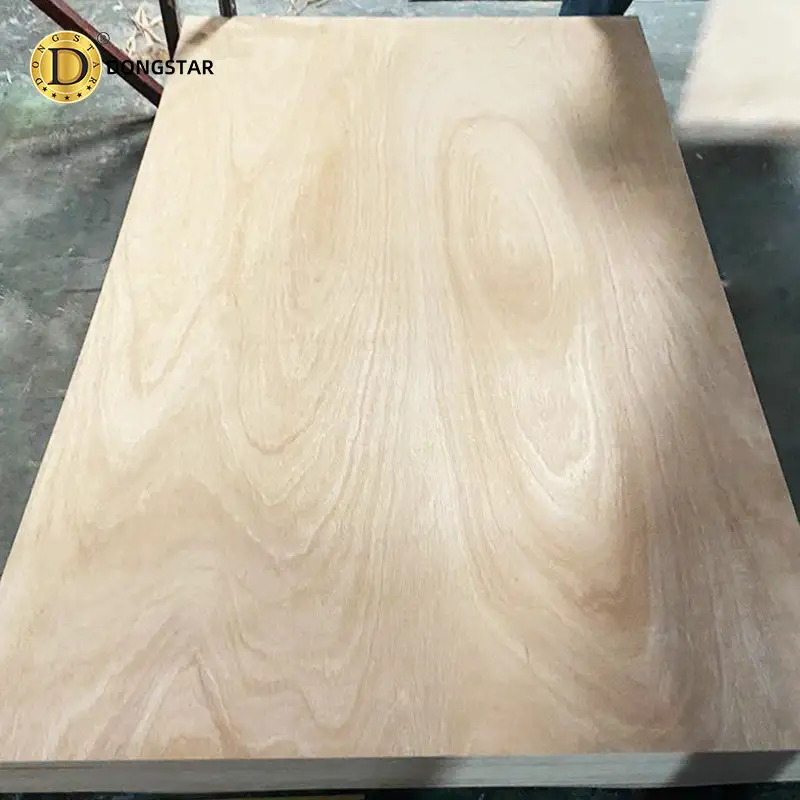
To achieve a 15% reduction in project material expenses, source Pine Plywood Supplier partners who adhere to EN 636-3 structural standards. Ensure panels maintain a bonding strength exceeding 1.0 MPa under boiling conditions. Validate that the moisture content stays within 8% to 12% to prevent dimensional instability during the curing process. Verify that the phenolic resin layer provides a minimum of 15 to 25 reuses for high-cycle structural formwork. Prioritize suppliers using Baltic or Radiata pine with a core veneer thickness variance of less than 0.2mm.
High-grade formwork panels rely on the mechanical properties of pine veneers, where the modulus of elasticity must exceed 7,000 MPa to prevent deflection under heavy concrete loads. Choosing a qualified Pine Plywood Supplier requires evaluating their kiln-drying efficiency, as improper drying causes 3% to 5% dimensional shrinkage after installation.
Manufacturing consistency depends on the glue-spread rate, typically maintained at 320-350 grams per square meter for high-load applications. Verify that the hot-press temperature remains steady at 130°C for 8 minutes per 18mm thickness to ensure complete polymerization of the resin. Production batches should demonstrate a 98% success rate in shear testing after a 72-hour boiling test.
| Specification | Metric Requirement | Variance Limit |
| Density | 600 kg/m³ | ±20 kg/m³ |
| Veneer Thickness | 2.5 mm | ±0.1 mm |
| Moisture Content | 10% | ±2% |
| Glue Type | Phenolic (WBP) | 100% Bond |
Suppliers utilizing automated veneer scanning systems reduce defect rates by 40% compared to manual sorting methods. Request historical data on formaldehyde emission levels, ensuring compliance with E0 or Super E0 standards (<0.5 mg/L) to meet international site safety codes. Analyze the edge-sealing process, specifically the use of acrylic paint applications, which increases panel lifespan by 20% in high-humidity environments.
Quality control documentation must include specific batch numbers for traceability back to the origin of the timber. A reliable Pine Plywood Supplier maintains a minimum of 5 years of export records to established construction markets in Europe or North America.
Inspect the factory’s capacity for custom dimensions, as standardized 1220mm x 2440mm sheets often require site-cutting that exposes the internal core. Suppliers offering precision CNC cutting maintain edge squareness within ±0.5mm, preventing leakage during the pouring of high-slump concrete. Effective communication regarding the number of expected reuses allows the manufacturer to adjust the film overlay weight, typically between 120g/m² and 220g/m², for maximum efficiency.
Structural safety protocols demand that panels undergo static bending tests, where a sample size of 30 boards per 1000-unit production run is subjected to stress testing. Failure to meet the 60 MPa bending strength threshold results in the immediate rejection of the entire pallet to prevent catastrophic formwork collapse.
Establish a regular auditing schedule with your Pine Plywood Supplier to monitor the raw material sourcing ratio, ideally favoring 80% old-growth pine for superior fiber density. Review annual facility audits, specifically focusing on the maintenance records of the hot-pressing machines to ensure even heat distribution. Consistent material performance saves approximately 10% of total labor time on site by reducing the need for repeated panel leveling and structural bracing during the assembly phase.
Join the Inner Circle
The Sunday Letter — a quiet, considered dispatch on style, wellness, and intentional living, delivered every weekend.
Subscribe to The Sunday Letter